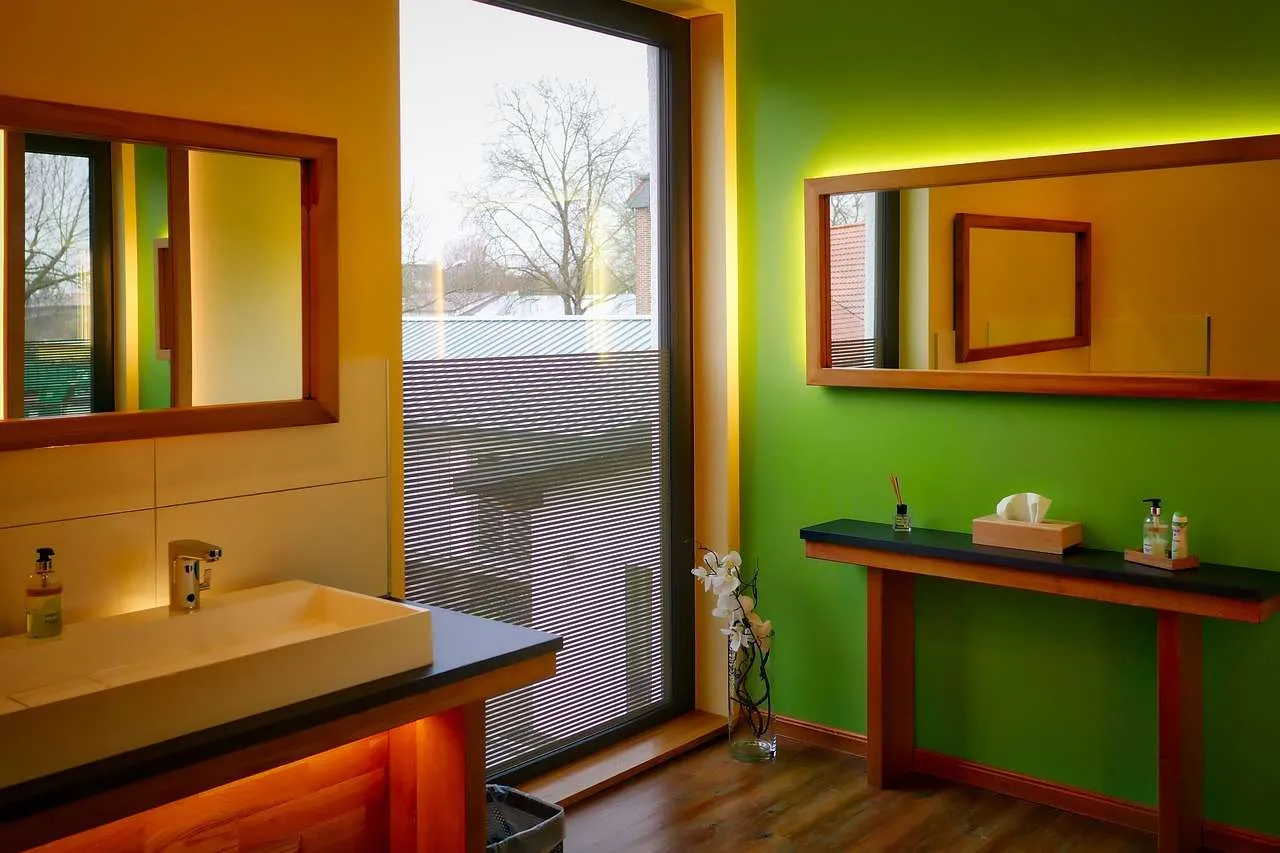
Bathroom decor ideas that stand the test of time rely on a clear plan, quality materials, and thoughtful details. This guide covers color, lighting, storage, textures, and layout to help you craft a space that feels cohesive and calm while staying within budget.
Understanding Bathroom Decor: Key Elements
Key elements include color schemes, lighting layers, storage solutions, fixtures, and texture mixes. A cohesive look emerges when these elements share a unifying theme or material palette.
Color, Material, and Theme
Choose a primary color and two accent tones. For durability, select moisture-resistant materials like ceramic tile, quartz, sealed wood, or glass. Create a theme such as modern minimal, coastal calm, or timeless classic.
Color Schemes that Elevate Bathrooms
Neutrals with Layered Whites
Soft whites, warm beiges, and subtle greiges create a serene base that enlarges the space and pairs with any vanity or hardware.
Calming Blues and Greens
Light blues, seafoam greens, and slate accents evoke spa-like tranquility while remaining versatile for accessories.
Textures, Materials, and Accessories
Texture adds depth. Combine matte porcelain tiles with glossy fixtures, natural stone, and woven textiles. Metal finishes (brass, nickel, matte black) tie the look together.
- Use varying tile sizes to create visual interest.
- Add a woven basket for storage and warmth.
- Choose hardware that matches the faucet and lighting for coherence.
Storage and Layout for Small Bathrooms
Smart storage expands a tiny bath. Consider a floating vanity, wall shelves, recessed niches for toiletries, and tall cabinets that maximize vertical space.
- Install a recessed shower niche to keep products off the bench.
- Add towel bars with hooks on the back of the door.
- Use transparent storage to reduce visual clutter.
Lighting and Mirrors for Ambience
Layered lighting includes task lighting by the mirror, ambient ceiling light, and accent lights to highlight textures. A mirror with anti-fog features improves usability in small spaces.
Budget, DIY, and Professional Help
Small updates yield big results: repaint walls, replace hardware and faucets, update towels and accessories, or install a new vanity. For plumbing, waterproofing, or tile work in bathrooms, consider a licensed professional to ensure safety and durability.
Comparison of Popular Styles
Choosing a style helps guide purchases and ensure a cohesive look. The table below contrasts Modern, Rustic, Spa, Classic, and Minimal trends.
| Style | Key Elements | Pros | Cons | Best For |
|---|---|---|---|---|
| Modern | Clean lines, reflective surfaces, neutral palette | Simple, easy to clean, scalable | Can feel cold if overdone | Small bathrooms, contemporary homes |
| Rustic | Warm woods, stone textures, earthy tones | Cozy, timeless charm | Requires maintenance for natural materials | Cabins, larger baths |
| Spa | Soft colors, natural textures, luxe fixtures | Calming, high perceived value | Can be expensive to replicate | Bathrooms aiming for retreat vibe |
| Classic | Timeless fixtures, white tile, metal accents | Addresses resale value | May feel traditional | Long-term homes |
| Minimal | Less is more, hidden storage, monochrome palette | Very restful, easy to maintain | Can feel cold without warmth | Urban apartments, small spaces |
Maintenance, Sustainability, and Care
Choose low-maintenance materials and finishings that resist moisture and staining. Look for water-saving fixtures, low-VOC paints, and responsibly sourced tiles to align with eco-conscious living.
Conclusion
Conclusion, by combining thoughtful color, durable materials, layered lighting, and smart storage, you can achieve bathroom decor ideas that are stylish, functional, and timeless. Prioritize cohesion, quality where it matters, and a plan that fits your budget and space. With the right mix of elements, your bathroom becomes a serene, practical retreat that reflects your personal style and supports daily routines.