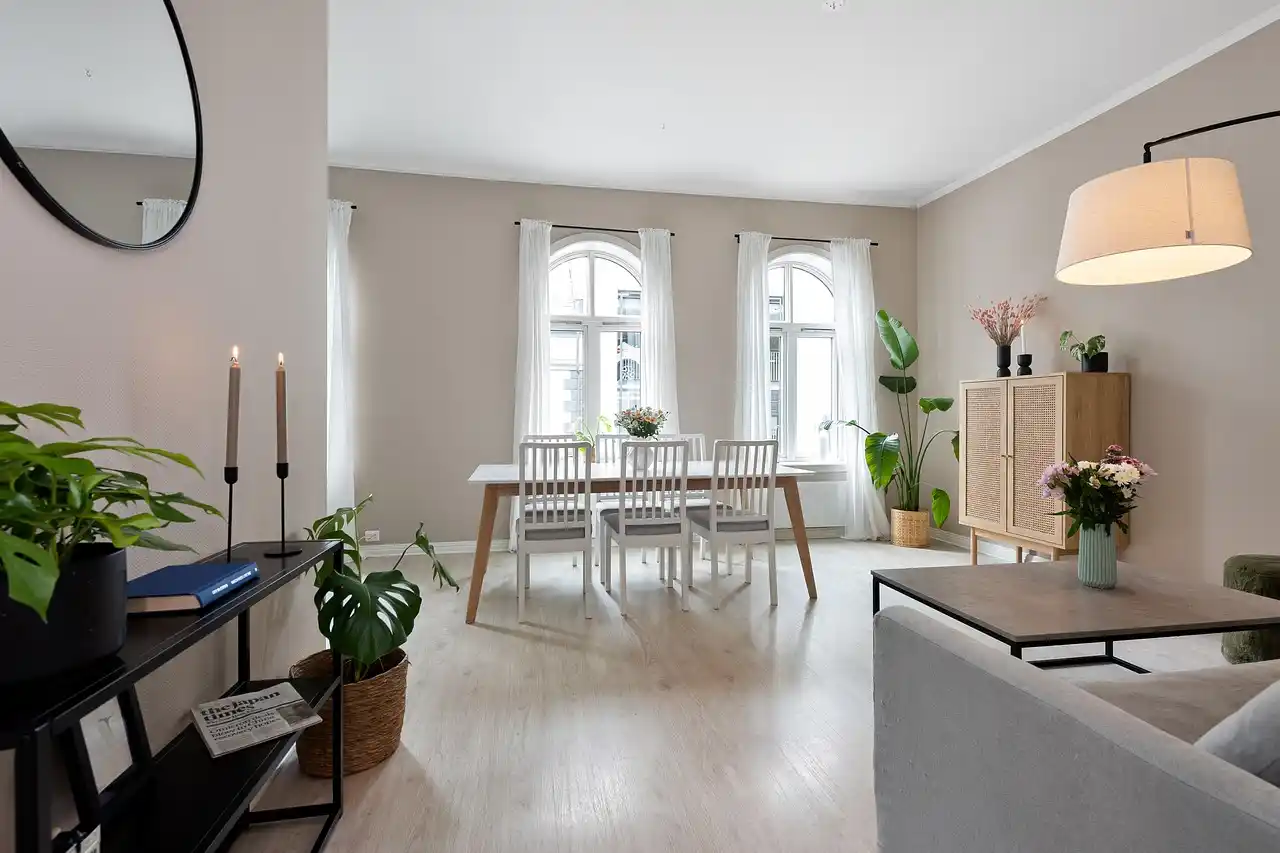
What is home window tinting?
Home window tinting refers to the application of a thin film on interior or exterior glass. The film reduces heat gain, blocks UV rays, minimizes glare, and adds privacy without sacrificing natural light. When installed correctly, window tinting can enhance comfort, protect furnishings, and improve energy efficiency across a home.
Benefits of home window tinting
Energy efficiency
Window tinting helps reduce the amount of heat that enters a space in hot months and can also reduce heat loss in cooler periods. Depending on the film and climate, homeowners often see a noticeable drop in cooling load, potentially lowering monthly energy bills.
UV protection and glare reduction
Most window films block a high percentage of ultraviolet light, which helps protect carpets, artwork, and furniture from fading. Glare is also diminished, making screens easier to view and rooms more comfortable during sunny days.
Privacy and safety
Tinted films provide daytime privacy while still allowing visibility from inside to outside. Some films also improve safety by holding glass together when a pane is broken, reducing the risk of sharp shards scattering indoors.
Types of window films
There are several film technologies, each with its own advantages and tradeoffs. Your choice depends on climate, budget, and aesthetic preferences.
Dyed films
Dyed films are affordable and provide good shading and privacy. They may darken over time and offer limited heat rejection compared with higher-end options.
Metalized films
Metalized films reflect infrared heat and provide strong heat rejection. They can interfere with electronics and may appear mirror-like from the outside, which some homeowners like and others do not.
Ceramic films
Ceramic films are high performance, offering excellent heat rejection, UV protection, and durability without metal content. They preserve natural color and are less prone to glare than other types.
Hybrid and dual reflective films
Hybrid films combine dyed and metallic layers for a balance of cost, performance, and appearance. Dual reflective options mirror rays from the outside while staying relatively clear inside during daytime.
Professional installation vs DIY
Professional installation ensures precise fitting, warranty coverage, and a seamless look. It is especially important for complex window shapes or large panes. DIY kits are available for small projects, but require careful surface preparation and technique to avoid bubbles, wrinkles, or poor adhesion.
Choosing the right tint for your home
Consider climate, sun exposure, and window orientation. Lighter films (roughly 30 to 50 percent visible light transmission) preserve natural light while reducing heat. Darker films provide more privacy and heat rejection but may impact daylight and outside appearance. If you have single pane windows or historic frames, consult a pro to avoid damage or code conflicts.
Also evaluate window type, frame material, and interior decor. Warranty terms, color stability, and ease of maintenance should factor into your decision. Always verify local regulations and HOA guidelines, as some areas limit tint darkness on front windows.
Cost, ROI, and warranties
Prices vary by film type, window size, and installation. DIY films typically run a few dollars per square foot, while professional installations may be higher but include measurement accuracy and warranty coverage. A common expectation is that energy savings, enhanced comfort, and longer furniture life combine for a payback period of several years, depending on climate and home size. Most reputable films come with manufacturer warranties ranging from 5 to 15 years, with ceramic and higher-end options often offering longer coverage.
Maintenance and care
Cleaning is straightforward: use a soft cloth or sponge with mild soap and water. Avoid ammonia-based cleaners, which can degrade some films. Do not scrub aggressively, and allow new film to cure for a week or two after installation to maximize adhesion.
Legal considerations and safety
Local rules may restrict tint darkness for certain windows, particularly the windshield and front side windows in some regions. HOA rules can also set aesthetic standards. When in doubt, choose a film that balances performance with compliance, and have a professional handle installation to ensure compliance with warranties and building codes.
Comparison of common window film types
| Film Type | UV Block | Heat Rejection | Visibility | Durability | Price Range | Best For |
|---|---|---|---|---|---|---|
| Dyed | Good | Moderate | Fair | Moderate | Low | Budget privacy and shading |
| Metalized | Excellent | High | Low visibility from outside | High | Moderate | Strong heat rejection with glare control |
| Ceramic | Excellent | Excellent | High | Very High | Higher | Best overall performance and color neutrality |
| Hybrid | Very Good | High | Balanced | High | Moderate | Good balance of price and performance |
| Dual-Reflective | Excellent | High | Moderate | Moderate | Moderate | Exterior brightness control with outside reflectivity |
In summary, home window tinting offers a practical set of benefits that can improve comfort, protect interiors, and reduce energy use. The right film depends on your climate, window type, and budget, and professional installation often yields the best long term value.
Conclusion
Conclusion, choosing the right home window tinting solution involves assessing climate, privacy needs, and budget, while ensuring proper installation and compliance with local codes. By understanding film types, performance metrics, and maintenance, homeowners can realize meaningful improvements in comfort, UV protection, and energy efficiency for years to come.