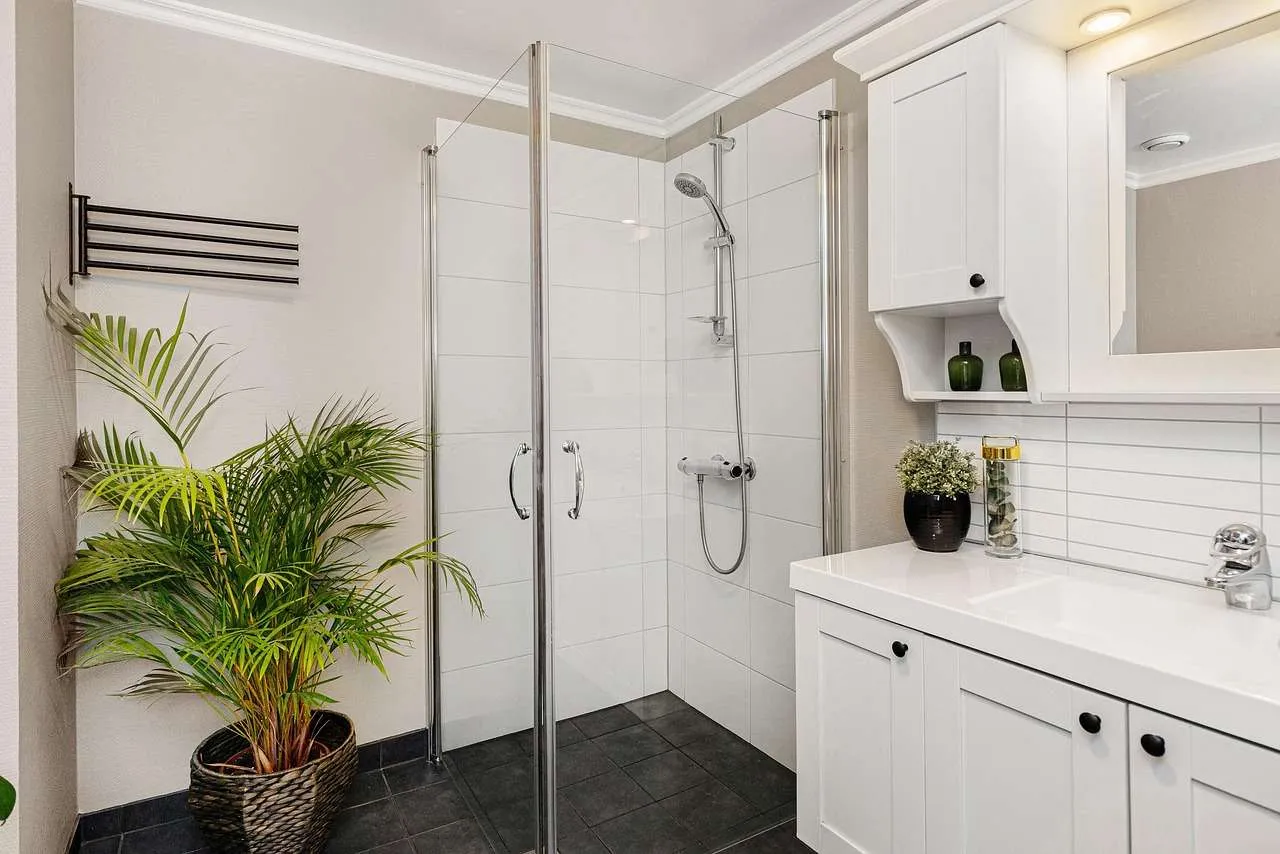
Introduction
Bathroom tiles are more than a decorative element; they form a durable, water resistant surface that endures daily use. With the right material, size, and installation approach, bathroom tiles can elevate comfort, hygiene, and resale value. This guide, drawing on years of industry experience, helps you understand material choices, design ideas, installation basics, and upkeep to achieve a lasting, stylish bathroom.
Why bathroom tiles matter
Moisture, humidity, and everyday spills make bathroom tiles a practical backbone of the space. Tiles provide a waterproof barrier, resist staining, and are easy to clean when properly installed. Porosity and slip resistance are important factors for safety and longevity. Quality installation and correct sealing protect substrates from mold and water damage, while careful maintenance preserves color, texture, and grout integrity over time.
Materials to consider
Choosing the right material depends on budget, moisture exposure, and maintenance tolerance. Here are common options:
- Ceramic bathroom tiles: Affordable and versatile, ceramic tiles are good for walls and backsplashes. They come in a wide range of patterns and are easy to cut, but glaze can wear over time in high traffic areas.
- Porcelain bathroom tiles: Denser and less porous than ceramic, porcelain offers excellent moisture resistance and durability. They are well suited for floors and showers and work with modern, clean lines.
- Natural stone: Marble, travertine, or slate add luxury but require sealing and ongoing maintenance. They are more susceptible to staining and scratching, so use premium sealing and appropriate cleaners.
- Glass tiles: Great for accents and backsplashes, glass reflects light and makes small bathrooms feel larger. They can be slippery on floors and may show water spots if not sealed or cleaned regularly.
- Large format and mosaic tiles: Large formats reduce grout lines and create a seamless look, while mosaics add texture and grip in wet areas. Both require proper subfloor preparation to avoid cracks.
Porcelain vs ceramic: a quick comparison
Porcelain is typically denser with lower water absorption, making it superior for floors and showers. Ceramic tiles are lighter and often cheaper but may require more frequent maintenance in wet zones. For most bathrooms, porcelain offers a favorable balance of durability and long term value, while ceramic remains a solid budget choice for walls and decorative features.
Design and style options
Tile size and pattern shape the room’s feel. Subways and rectangular formats create a classic vibe, while large formats with minimal grout lines deliver a contemporary look. Herringbone and chevron layouts add visual interest, and neutral palettes with a bold accent color can transform the space without overwhelming it. When choosing colors, consider floor materials, vanity finishes, and lighting to maintain harmony. Texture and matte finishes can reduce glare and hide minor scratches, while high gloss surfaces emphasize cleanliness and brightness.
Installation considerations
Proper installation is essential to longevity. Key steps include meticulous surface preparation, waterproofing in wet zones, and selecting the right underlayment. For shower stalls and wet rooms, a cement backer board or an approved waterproof membrane should be installed before the tile. Grout choice matters too; epoxy grout offers stain resistance and durability, while traditional cementitious grout is easier to repair but may require periodic sealing. Slopes for shower floors must direct water toward a drain to prevent pooling. A professional installer can ensure accurate spacing, alignment, and cutting around fixtures.
Care and maintenance
Maintenance extends tile life and preserves appearance. Clean with pH neutral cleaners, avoid harsh chemicals on natural stone, and reseal stone surfaces as recommended by the manufacturer. Regular grout cleaning and periodic resealing of porous tiles prevent discoloration and damage. Ventilation is essential to minimize moisture buildup, which reduces mold risk and tile staining. Address spills promptly, especially on light colored tiles, to maintain a fresh look for years.
Tile comparison table
| Tile Type | Pros | Cons | Ideal Use | Maintenance |
|---|---|---|---|---|
| Ceramic | Affordable, wide range of designs | Less durable on floors; can chip | Walls, indoor bathrooms | Easy to clean; seal not required for most ceramic |
| Porcelain | High durability; low water absorption | Heavier; may be more expensive | Floors and showers | Low maintenance; use non acidic cleaners |
| Natural Stone | Luxurious look; unique grain | Requires sealing; susceptible to staining | Bathrooms with premium aesthetics | Seal regularly; gentle cleaners |
| Glass | Reflects light; modern appeal | Surface shows water spots; slippery on floors | Backsplashes and accents | Wipe daily; avoid abrasive cleaners |
| Mosaic | Grippy pattern; versatile shapes | Grout maintenance can be higher | Showers, niches, decorative floors | Clean grout; reseal if porous |
Choosing the right tile for your needs
Start with a practical analysis of your bathroom usage, budget, and maintenance tolerance. For high humidity rooms, prioritize materials with low porosity and slip resistance. If you value a timeless look, porcelain or natural stone with proper sealing can pay off long term. For bathrooms with children or heavy traffic, select durable formats and consider larger tiles to minimize grout lines. Work with a reputable retailer or installer to confirm substrate suitability, waterproofing standards, and tile compatibility with fixtures and cabinetry.
Practical care tips
- Seal natural stone and porous tiles as recommended by the producer to prevent moisture ingress.
- Use epoxy grout in wet areas to reduce staining and ease maintenance.
- Ventilate the room well during and after showers to limit mold growth.
- Clean regularly with a pH neutral cleaner to preserve color and texture.
- Inspect grout lines periodically and regrout or seal where signs of wear appear.
Conclusion, investing time in selecting the right bathroom tiles and hiring a skilled installer yields a durable, attractive space that ages gracefully. Understanding materials, finishes, and maintenance helps you balance aesthetics with function, ensuring your bathroom remains inviting for years to come.
Summary: This guide covered why bathroom tiles matter, how to choose materials, design ideas, installation considerations, and maintenance practices. By aligning tile choices with moisture, foot traffic, and cleaning routines, you can create a stylish, durable bathroom that performs well over time.