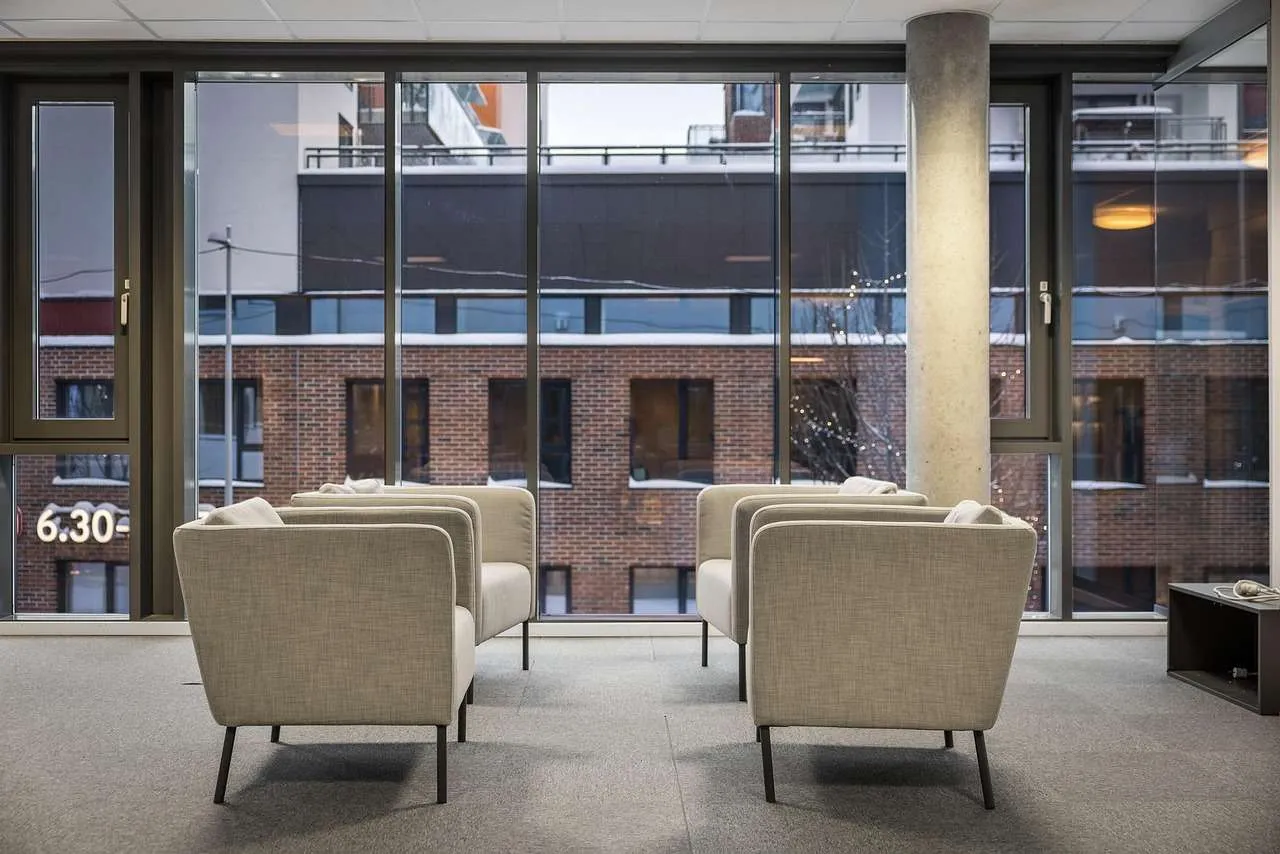
Home window tint offers a clear path to a more comfortable, energy-efficient, and safer home. With modern films, you can reduce heat transmission, block UV rays, cut glare, and enhance privacy without sacrificing natural light. This guide dives into how tint works, the best options for different homes, installation considerations, and practical maintenance tips to help you make an informed, expert decision.
What is home window tint?
Home window tint is a thin, optically clear film applied to the interior surface of glass. It reduces solar heat gain, blocks a large portion of UV rays, and can alter glare and privacy levels. Unlike traditional window treatments, tinting provides an invisible layer of protection that works continuously, day in and day out. For homeowners, this can translate into cooler living spaces, less energy demand for cooling, and a more consistent indoor environment year-round.
How window tint works
Window tint works by filtering visible light, absorbing or reflecting infrared heat, and rejecting UV energy. The key specifications to understand are:
- Visible Light Transmission (VLT): the percentage of visible light that passes through. A higher VLT means more natural light; a lower VLT provides greater privacy and heat reduction.
- UV Rejection: most modern films block 99%+ of UV rays, protecting furniture, flooring, and skin.
- Infrared (IR) Rejection: IR-blocking components reduce heat from the sun even if the film looks light in appearance.
Different tint technologies balance these factors differently, so choosing the right film depends on climate, orientation, and how you use each room.
Common tint technologies
- Dyed films: inexpensive, good for glare reduction and privacy, but can darken over time and may fade in southern exposures.
- Metalized films: excellent heat rejection and strength, but can interfere with electronics and new window sensors.
- Ceramic films: high performance with strong heat rejection, minimal interference, and excellent clarity; often pricier.
- Carbon films: matte finish, good heat rejection without metallic interference, and less reflectivity.
- Hybrid films: combine dyed and metallic or ceramic layers to balance cost and performance.
Benefits of home window tint
- Energy savings: reduced cooling loads in hot climates and improved comfort in rooms with intense sun exposure.
- UV protection: blocks up to 99% of harmful UV rays, protecting furnishings and skin.
- Glare reduction: more comfortable viewing for screens and daytime activities.
- Privacy and security: visible tint levels reduce peering into rooms while maintaining exterior light.
- Entelligent sound insulation: films can slightly dampen noise, contributing to a calmer home environment.
For homeowners, these benefits often translate into lower energy bills, enhanced interior aesthetics, and longer-lasting furnishings. To maximize value, pair tinting with proper insulation and shading strategies.
Choosing the right tint for your home
Selection should consider climate, room orientation, and personal preferences. Start by prioritizing areas of greatest heat gain, such as south- or west-facing windows, then evaluate how much natural light you want to retain. If privacy is a concern in ground-level rooms, a medium VLT film may strike a balance between light and seclusion. In homes with sensitive electronics or smart sensors, ceramic or carbon films are typically preferred to avoid interference.
Important factors to discuss with a professional installer include:
- The glass type and age of your windows
- Your local building codes and HOA guidelines
- Warranty coverage and film permanence (lifetime vs. limited warranties)
- Professional installation quality to prevent bubbles and improper adhesion
Installation options
Most homeowners choose professional installation for best results, guaranteed adhesion, and warranty protection. Pros bring calibrated tools, ensure precise cutting to fit curves, and handle edge sealing to prevent peeling. DIY kits are available, but less forgiving—for example, air bubbles, dust inclusions, and improper squeegeeing can compromise appearance and performance. If you DIY, follow manufacturer guidelines, maintain a dust-free environment, and work slowly in small sections.
Comparison of common tint types
| Tint Type | Pros | Cons | Typical VLT | UV Rejection | Approx. Cost (per window) |
|---|---|---|---|---|---|
| Dyed | Low cost; good glare control | Possible fading; lower heat rejection compared to ceramic | 25–75% | ~99% | 20–60 USD |
| Metalized | Excellent heat rejection; strong glare control | May interfere with GPS/phones; possible delamination | 5–60% | ~99% | 25–80 USD |
| Ceramic | High performance; minimal reflectivity; clear view | Higher upfront cost | 15–70% | ~99% | 30–120 USD |
| Carbon | Good heat rejection; non-reflective | Mid-range cost | 20–60% | ~99% | 25–100 USD |
| Hybrid | Balanced performance and cost | Variable quality across brands | 15–60% | ~99% | 25–90 USD |
Maintenance and protection
To maintain clarity and longevity, clean window films with a soft cloth and a mild, non-ammonia cleaner. Avoid abrasive tools and sharp blades that could scratch the film. Inspect edges periodically and address any peeling or bubbling promptly with a professional refresh. Remember: a proper installation with high-quality film tends to outlast cheaper options, especially in regions with extreme heat or cold.
Trust and credibility in choosing a provider
When evaluating installers, look for evidence of training, certifications, and a solid portfolio of residential projects. Reputable shops provide written warranties, clear disclaimers about glass compatibility, and post-installation guidance. EEAT principles—expertise, authoritativeness, and trustworthiness—are reflected in transparent pricing, documented results, and customer reviews. Always ask for before-and-after photos, energy savings estimates, and references to ensure you’re working with a qualified professional.
Conclusion, selecting the right home window tint involves understanding film types, assessing climate and room use, and choosing a trusted installer. A quality tint reduces heat, protects interiors from UV damage, and enhances privacy without compromising natural light. By weighing materials, professional installation, and ongoing maintenance, homeowners can achieve a more comfortable, energy-efficient living space for years to come.